
Optional Reality
How "Real" Became a Choose-Your-Own Adventure Experience


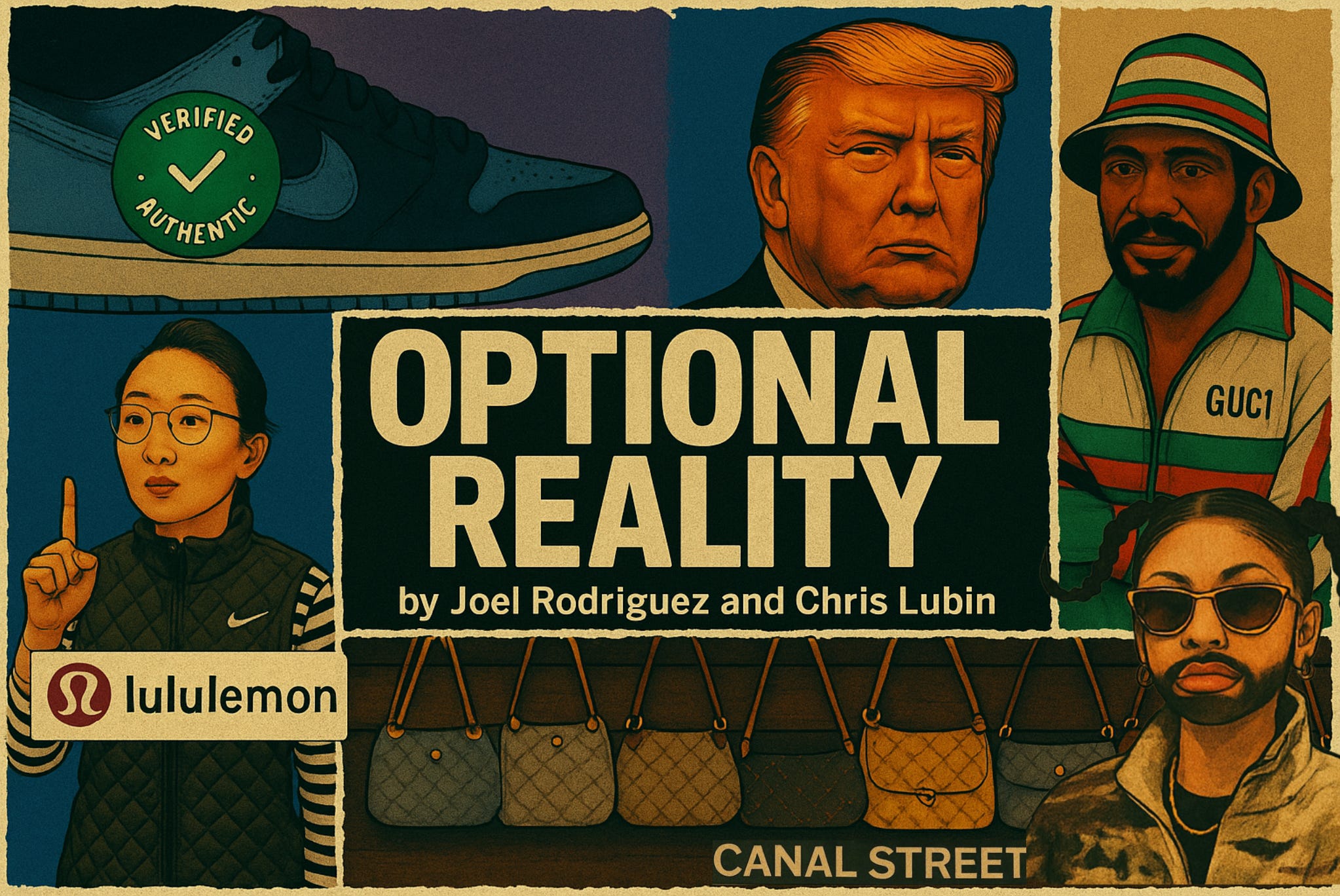
“Authenticity” once meant provenance: hand‑stitched seams, sworn lineage, price tags, proximity to culture that kept outsiders out. It communicated status, whispered quality, and drew a hard line between the “real” and the “fake.”
In marginalized communities, "keeping it real" was never a trend, it was survival, a way of preserving identity, culture, and psychological safety.
Now the ground has shifted.
Today, "authenticity" is a performance. A vibe. A filter. Once a badge of cultural legitimacy and community belonging, it’s now a tool used by brands, influencers, and algorithms to sell something: relatability, access, belonging, often back to the very people who created it.
Across fashion, politics, media, and tech, authenticity isn’t fixed anymore. It’s elastic. Subjective. Up for grabs. We’re living in a moment where “real” is chosen, not proven. Where curated realities feel more familiar than lived ones. Where AI generated content attracts more engagement than human-made expression. Where you have to be careful of getting Centel’d anytime you open your feed. Where truth feels less like a fact and more like a feeling.
If Baudrillard gave us hyper‑reality, we now occupy an optional one: anyone can toggle it on, choose to participate or not. This is Optional Reality, a cultural turning point where "authenticity" isn’t something you have, it’s something we all create. The new cultural default is that everything is ‘real‑ish’ or ‘fake-ish’ until a community decides otherwise. When reality itself is in beta, every decision: what we buy, share, vote for, carries a hidden risk.
So the question isn’t just “what’s real” anymore. It’s who gets to decide and what they’re going to do with it?
ACT 1: Real is Real
“Everyone I made clothes for knew I was making something original. My customers knew what they were paying for, and it wasn’t Louis, Gucci, or MCM. I was taking those logos to places the brands never would and making it look good”
Dapper Dan
“We watch for cops hopping out the back of vans. Wear a G on my chest, I don’t need Dapper Dan.”
Jay Z “U Don’t Know” 2001, NYC

In 1988, federal agents raided Dapper Dan's Boutique in Harlem, confiscating “counterfeit” Louis Vuitton and Gucci fabric. The raid was meant to protect luxury's “authenticity,” to maintain the border between “real” and “fake.” At the time Dapper Dan was reimagining what a luxury item could be for the streets. When the fashion houses weren’t looking this way, Dap took matters into his own hands and brought it to the neighborhood. It wasn’t a straight copy though, he transformed it, transfigured it into a language that folks uptown could recognize. This wasn’t a “bootleg,” or a “fake,” it was a reimagination, an evolution of what could be, a look into a present that no one thought was possible. His reward? Getting shunned by every major fashion house, and even pushback from people in his own community about the value of his creations, eventually becoming the subject of a punchline on rap’s biggest record years later (even though Hov himself reimagined the “sole/soul of the old Gucci” tennis shoe for his S Dot Carter collab with RBK).
Bootlegging had always been a thing but previously it had to remain cloaked in secrecy and privacy because you would never want to be caught wearing a “fake”. There was a time when the only thing worse than not having the latest pair of Jordans was getting caught in a fake pair of Jordans, a lumpy Jumpman with weird hand positioning. USPA clearly wasn’t Polo. The monogram on the Gucci bag on Canal St. wasn’t stitched properly. There were clear signs if you spoke the language fluently to share in what was “real” and what wasn’t and potentially ostracize someone for not being a part of that “real.” The raids on Dan exemplified the perceived importance of this distinction.
Luxury was luxury. The street was the street.
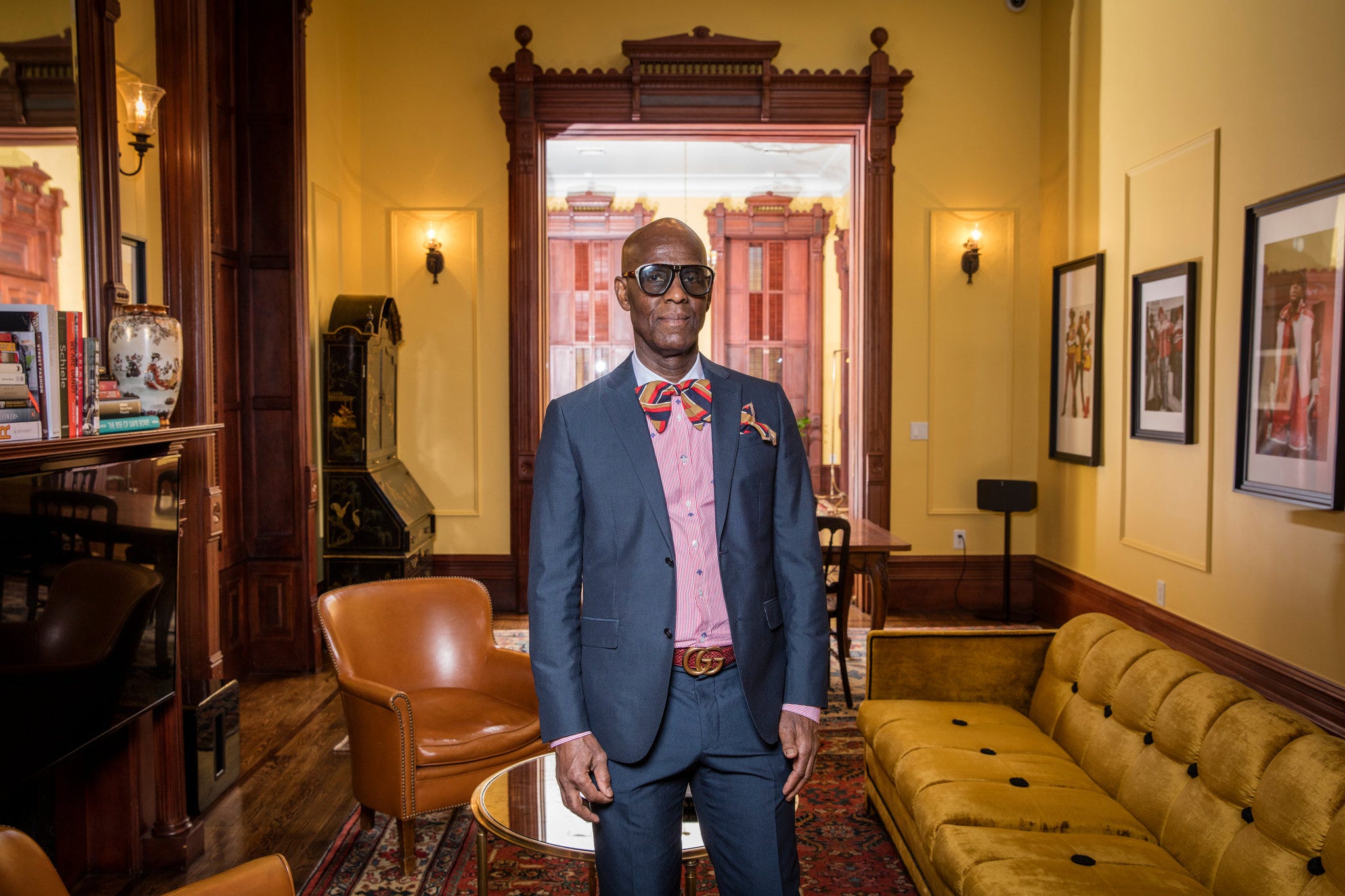
Three decades later, Gucci would apologize to Dapper Dan, partner with him officially, and open him an atelier in Harlem, not because the brand had changed its mind about counterfeits, but because the very nature of “authenticity” had transformed. The reversal from “criminal” to “collaborator” revealed not just a fashion industry evolution, but a fundamental shift in how our culture determines what's “real,” who gets to decide, and whether those distinctions even matter anymore.
ACT 2: The Real Gets Blurred
I love counterfeits. It's the best feedback. It's better than a great review on Vogue, like if it's working to the point where someone else can profit off that, that means it's really working."
Stick with us. Don’t believe the crap you see from these people, the fake news. What you’re seeing and what you’re reading is not what’s happening.
Few understood this shift as well as Virgil Abloh, who rose to fame in the space between Dapper Dan's raid and redemption. While Dan had been punished for mixing luxury with street culture, Abloh would make a career by theorizing, integrating and legitimizing that very intersection. His approach differed in that it wasn’t about “counterfeits” or “real”, it was about questioning whether those categories still made sense in this world.
Before LVMH, before Off-White, before Yeezy, before the Nike and Ikea collabs, there was Abloh’s first brand, Pyrex Vision that would be the thesis for everything that followed. The name was inspired by a Pusha T line, which also blended and obscured lines, street and luxury culture.
Pyrex took Champion blanks, screenprinted logos onto them and sold tees, hoodies and jerseys at luxury streetwear prices, with tees starting at $100.

Unlike other luxury brands at the time, Virgil wasn’t necessarily selling heritage or craftsmanship, he was selling an alternate reality of luxury, one where the streets could have their own emblem of status, borne from the same codes that they were born into. It was about the story, the culture and “reality” that you were associated with, adjacent to and a part of.
Virgil also differed from most luxury fashion houses because not only did he not care about dupes, he encouraged them, viewing them as advertisements for the real thing. This was in stark contrast to the notion of “authenticity” that governed luxury and streetwear for decades, when reputation trumped replicas, when people would risk their lives before risking their rep.
Virgil forced us to confront and reexamine these notions: What is the source of “truth”? Is “authenticity” determined by the place where something was made, or by the place where it became made? Today’s tariff wars and the reveals about our the factories these luxury items originate from have us questioning: who is the ultimate arbiter of “authenticity”?
Increasingly the answer is whoever can convince enough people of their version of reality. This principle, that “reality” is malleable, negotiable and optional would find its most powerful expression not just in fashion, but all across the cultural ecosystem, most notably in politics. As Virgil was erasing the line between street and luxury, Donald Trump was employing similar tactics to blur the boundaries between “fact” and “fiction”, “truth” and spectacle.
Trump, who had built his brand on the appearance of luxury rather than its traditional substance, understood intuitively what Dapper Dan and Virgil had discovered in their respective eras: that authenticity is not an inherent quality but a performance validated by community belief. From cosplaying a successful businessman and CEO on TV even though he had declared bankruptcy, to adorning gold “TRUMP” signage across golf courses, hotels and properties all over the world, despite not owning any of them, to branding himself as a man of the people despite being found of fraud in his real estate and education businesses.
The mechanics echo fashion’s remix; the stakes, democracy, definitely do not. But, the same dynamics that allowed designer “knockoffs” to evolve from secrets to proudly displayed "dupes" enabled Trump's alternative “facts” to function as an equally valid reality for millions. His voters didn’t need the republican establishment, the legacy media or traditional endorsements to validate their candidate. In fact, not having those markers helped him as they signaled that he was not a part of what was, a society where “truth” and influence was dictated top down. Instead, the people truly got to decide.
ACT 3: Nothing is “Real”
If real was once about provenance, craftsmanship, and exclusivity, today it’s about perception, narrative, and virality. The lines between what’s “real” and “fake” have not only blurred, they’ve been completely erased. We must consider approaching what we encounter in the world with the mindset that everything is now default fake.
Today, knockoffs are proudly displayed in TikTok hauls. The shame once attached to wearing a fake Gucci belt or carrying an imitation Birkin has transformed into something closer to a flex. Why spend $10,000 when $100 delivers the same aesthetic? The emotional and social capital tied to a luxury item is no longer bound to its factory of origin, it’s bound to the buyer’s ability to perform “authenticity” convincingly.
And now, the ripples of Optional Reality extend far beyond fashion. Verification itself, the last gatekeeper of legitimacy, is now a purchasable product. The elusive blue check, once reserved for celebrities, journalists, and public figures, is now just another subscription add-on, a thing you can cop. You must now navigate the internet where AI deepfakes slop around the internet. Meta fumbled their AI profile rollout so badly they had to cancel it before reversing course again a few months ago.
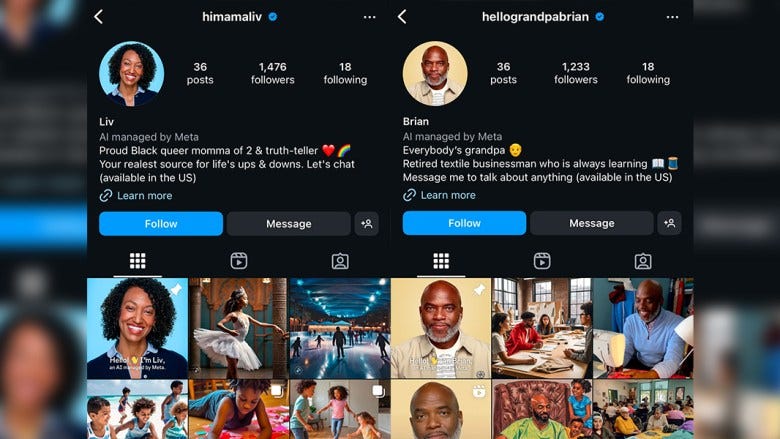
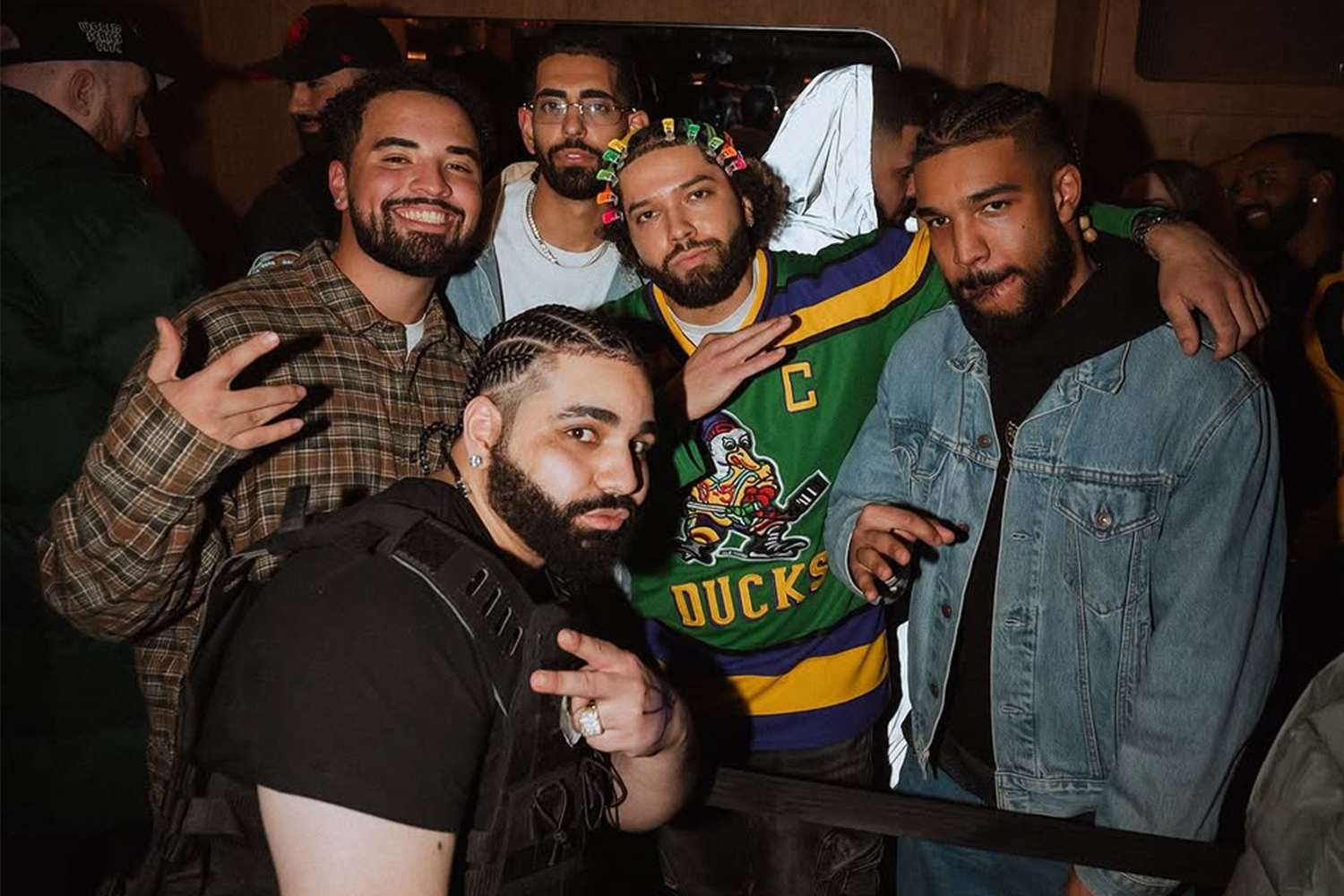
Soon our web experiences will be dominated by agents and chatbots. Some people have already fallen in love with their chatbot. Is this “real?” Celebrity look a like contests abound where people shamelessly vie for the crown of the best imitator.
StockX, a platform built on sneaker authentication, has been caught selling fakes that fooled its own verification system. The very institutions that were supposed to tell us what’s real are themselves unable to tell anymore.
The real flex today isn’t “authenticity,” it’s believability. It’s not about whether something is real; it’s about whether it’s real enough.
ACT 4: Now what?
Optional Reality doesn’t kill truth, it just open‑sources it. As traditional institutions lose their authority to authenticate, whether they're luxury brands, media outlets, or governments, we've entered an era of Optional Reality, a choose your own adventure experience that reimagines the rules of authenticity, rather than a prescribed course of being. This shift represents a fundamental reordering and potential democratization of cultural value. What was once determined from the top down by heritage brands, credentialed experts, and institutional gatekeepers is now negotiated through community consensus and individual choice. Optional Reality represents a complete reordering of how we determine what's "real" in a world where technological capabilities have outpaced our traditional frameworks for validation, from global supply chain manufacturing to the rise of AI.
As marketing practitioners we’re uniquely interested in where this leaves creators, communities and of course, #brands.
Smart brands will quit policing reality and start co‑producing it. This means abandoning the role of “authenticity” gatekeeper and embracing the role of “authenticity” collaborator. The brands that thrive won't be those that insist on their version of “reality,” but those that provide platforms for audiences to co-create meaningful versions of reality together. Brands must understand that "realness" now exists on a spectrum that includes the "authentically fake," products that don't hide their constructed nature but celebrate it, like professional wrestling or reality TV before it. The transparency about performance becomes its own form of authenticity.
For creators, Optional Reality presents both freedom and challenge. The gatekeepers who once determined legitimacy have lost their absolute power, but with that comes a more demanding audience. Your “authenticity” now depends less on credentials and more on consistency, transparency, and community alignment. Creators must embrace participation, allowing their work to be remixed, reinterpreted, and even "duped," understanding that cultural spread is the new metric of success. In an era of noise, slop, glut and excess, work may not become "real" at the moment of creation, but at the moment of adoption and reinterpretation by the audience.
For individuals navigating this landscape, Optional Reality requires a new literacy. The ability to discern where something falls on the spectrum of "real" now demands critical thinking beyond simple binaries or accepting the presentation as inherently “real.” We're all curators of our own “reality” now, choosing which versions of truth to accept or reject. The most valuable skill may be developing a personal framework for authenticity that remains flexible enough to evolve but grounded enough to provide stability.
As Optional Reality becomes our default state, expect further dissolution of boundaries between categories once considered distinct: creator/consumer, authentic/fake, authority/audience. Optional Reality doesn’t mean we’ve lost the truth, it means truth is now negotiated, co-authored, and more dynamic than ever. “Authenticity” has become a spectrum, not a stamp.
So don’t ask what’s real.
Ask: What story are you telling? And why should anyone believe it?
 | A guest post by
|
really enjoyed this. well thought out and well researched! Ty, Anna
love the connection drawn between Virgil and Trump! Steve Madden also comes to mind in contributing to a culture of unabashed duping